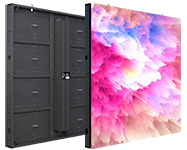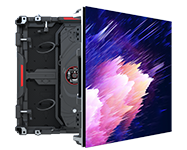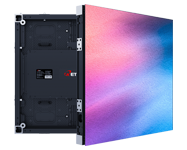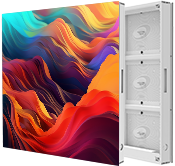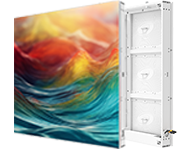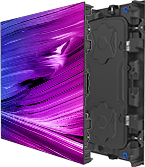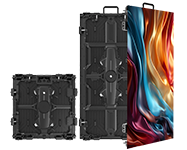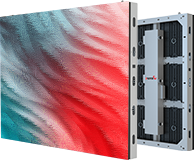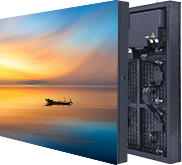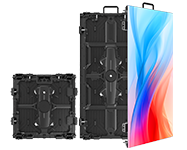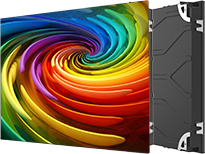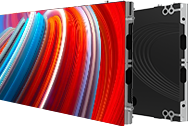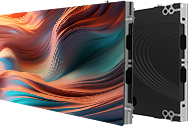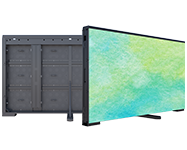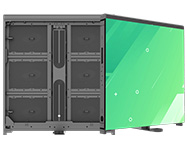
LED stadium screens carry the "vibe" of the entire event, from pre-game hype to the celebration of a game-winning play. Beyond just entertainment, this digital network has become the most valuable carrier for advertising, offering dynamic and lucrative opportunities for sponsors.
This guide explores the key components of a stadium's digital ecosystem and the essential features buyers must look for in a technology partner.
A truly effective stadium experience relies on a synchronized network of displays, each with a specialized role.
The central LED screen display board is the primary canvas for live action, crystal-clear instant replays, and critical game stats. It ensures every fan, no matter their seat, has a perfect view of the most important moments.
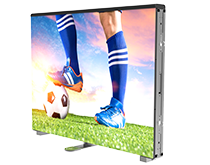
Positioned at the edge of the playing field, the perimeter LED screen offers unparalleled visibility for dynamic advertising, not only to the in-stadium audience but also to the millions watching on broadcast.
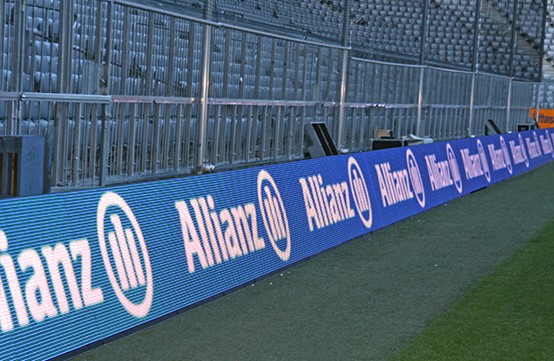
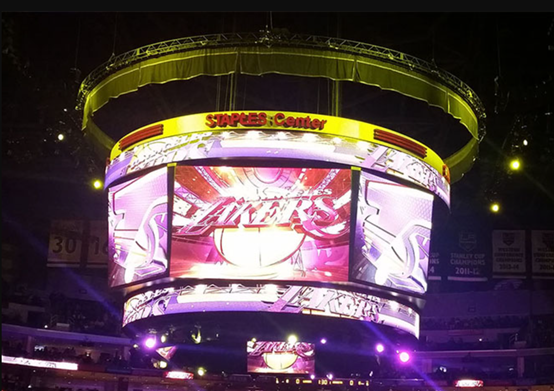
These are the immersive bands of content that wrap around the seating bowl. A ribbon board stadium display is perfect for enhancing the atmosphere with real-time stats, out-of-town scores, sponsor messages, and crowd prompts.
The digital experience extends beyond the main bowl. Ancillary screens, like a concourse outdoor digital display board, are used for wayfinding, promoting merchandise, displaying concession menus, and broadcasting safety information, guiding fans and enhancing their entire journey.
An outdoor stadium is one of the most demanding environments for technology. When selecting a display, prioritize these five essential features:
The greatest challenge for any outdoor screen is the sun. A display that looks good indoors will be unreadable in bright daylight. Your LED stadium screens must have a high brightness level, with professional-grade solutions requiring at least 5,000-6,000 nits to deliver a vibrant, high-contrast image.
Outdoor displays are constantly exposed to rain, dust, and humidity. To protect the internal electronics, they must have a high Ingress Protection (IP) rating. The industry standard for the front of the display is IP65, which certifies that the enclosure is completely dust-tight and can withstand heavy rain.
Further Reading: Is a Flexible LED Screen Durable? How Curvy Can They Be?
For a perimeter LED screen near the action, player safety is paramount. Professional systems must include critical safety features like a soft module mask to absorb impact and a protective top cushion to prevent injury to athletes who may collide with the unit.
A screen's refresh rate is critical for broadcast quality. A low rate will cause flickering or black bands on TV, especially during slow-motion replays. This devalues sponsorships. To ensure a flicker-free image, the professional broadcast standard is 3840Hz.
This is the brain of the operation. A powerful CMS is essential to orchestrate the entire network—synchronizing a goal celebration across the main board, ribbons, and perimeter screens. It must be able to schedule ads, automate content based on in-game triggers, and integrate real-time scoring data.
To meet these demanding requirements, venues need a solution engineered specifically for the job. The Retop SP Series is a professional perimeter LED screen designed to meet the rigorous standards of top-tier sports.
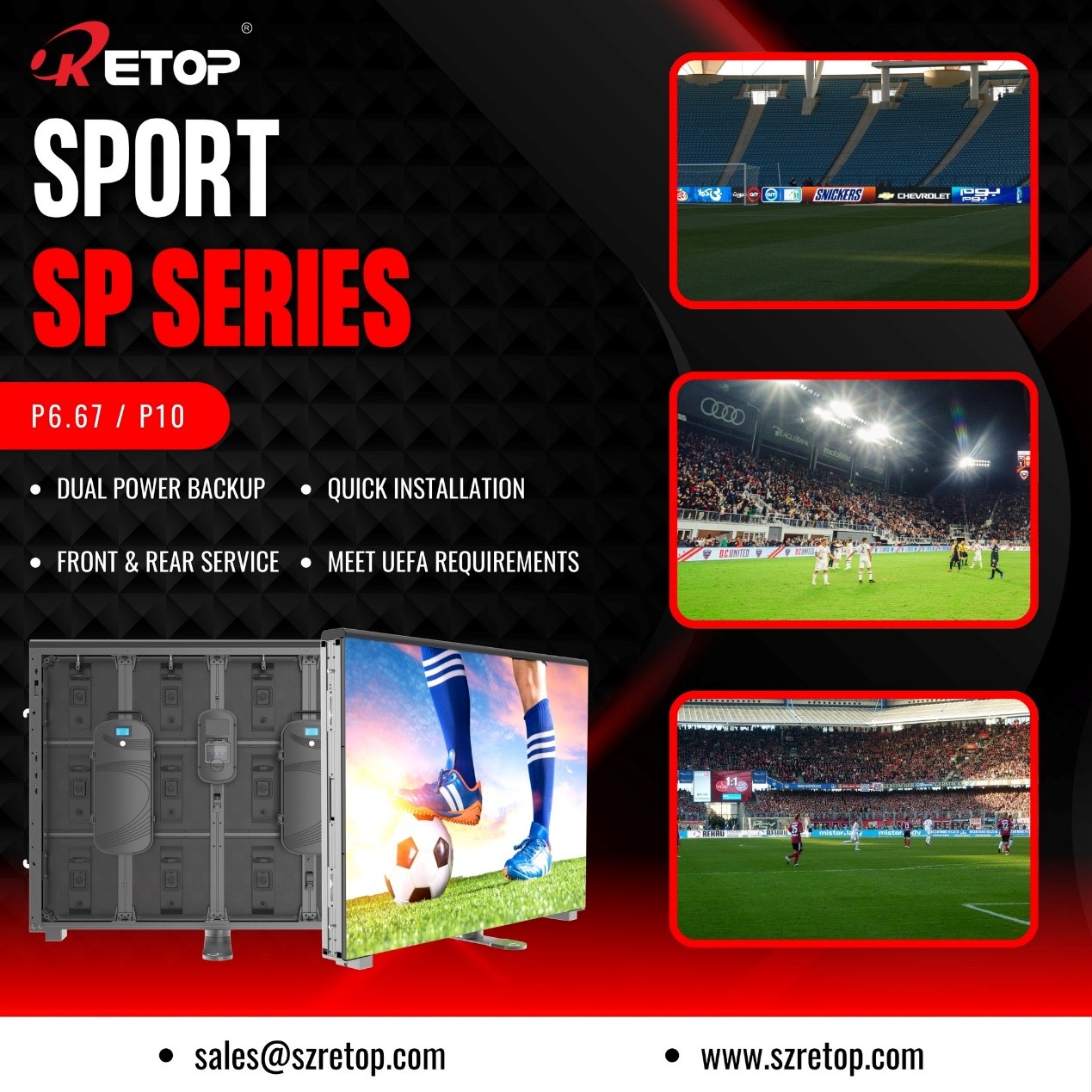
It directly addresses the key selection criteria:
Investing in a new LED stadium screen network is a decision about the long-term value of your venue. It requires a technology partner with a proven track record, a commitment to international standards, and a focus on total cost of ownership, not just the upfront price.
To ensure you get it right, it is essential to work with experts. Contact the specialists at Retop for a comprehensive consultation and discover how a true technology partnership can revolutionize your live event experience.

I consent to receive emails about news, marketing&product updates from Retop in accordance with the Retop Privacy Policy