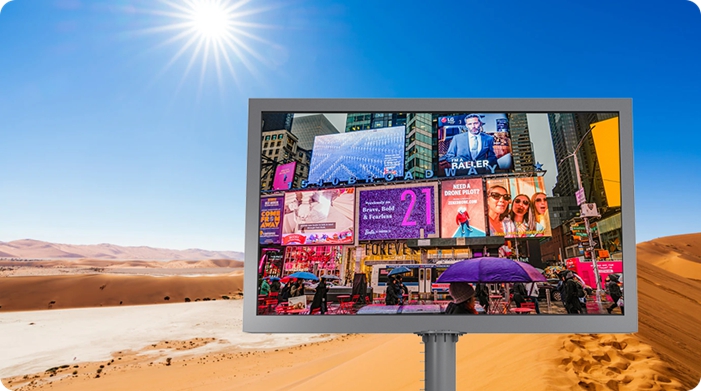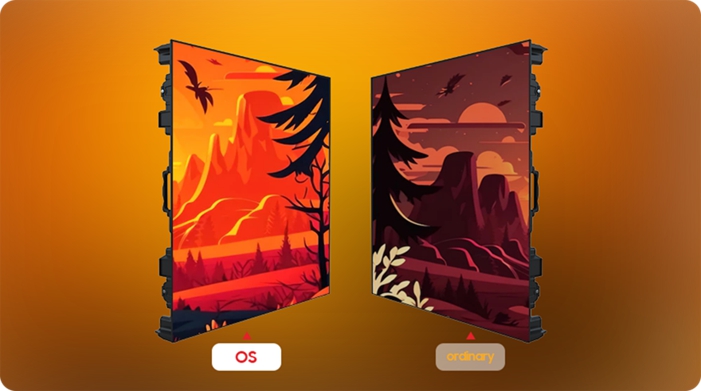
In our daily project work, we continue exploring how an energy efficient LED setup influences long-term system performance across different installation environments. Many partners from media advertising agencies, system integration teams, rental companies, and engineering firms place strong emphasis on stability and maintenance planning. To support these needs, we review how each sustainable LED display operates under real usage conditions, including temperature changes, wiring structures, and long-hour workloads. This approach allows us to build a clear understanding of energy behavior right from the start of a project, ensuring that each solution is practical and measurable through actual operation data. Through this process, we evaluate how an energy efficient LED configuration can remain effective across different scenarios.
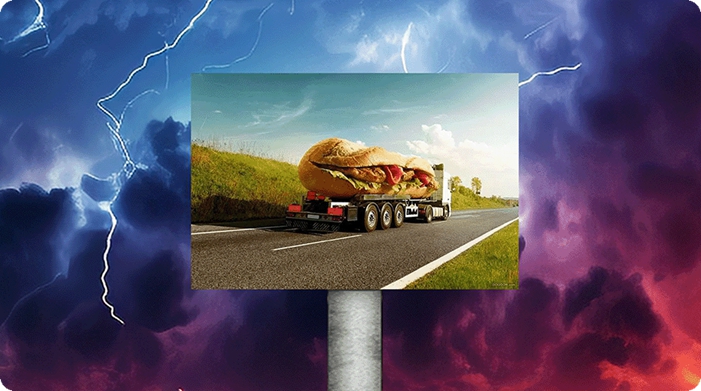
In our internal workflow, we combine engineering knowledge with structured assessment steps to guide customers toward realistic optimization paths. At this stage, our team introduces the experience gained from years of development work, including structural analysis, drive system selection, material behavior, and power distribution. It is in this assessment process that Retop becomes part of the discussion, as our methods and technical background help clients examine each sustainable LED display with practical standards rather than general descriptions. We also consider the influence of ventilation, cabinet layout, and environmental exposure. These factors contribute to measurable improvements when adjusting wiring, brightness plans, and maintenance intervals. By refining these elements, an energy efficient LED setup can perform more consistently throughout the service life of the installation.
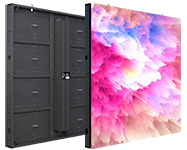
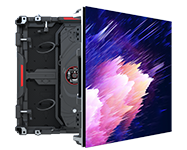
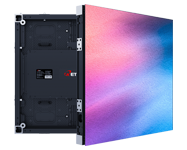
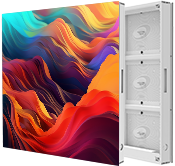
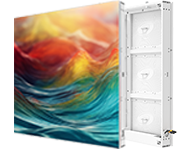
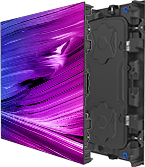
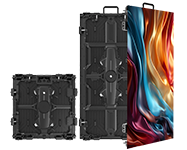
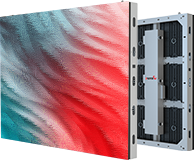
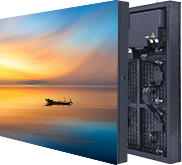
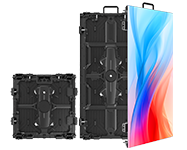
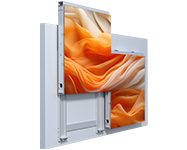
When exploring product-level characteristics, the TES II PRO-S Outdoor LED Billboard Display demonstrates how cabinet structure and durability support energy stability. This model is built to withstand coastal conditions where moisture, salt, and corrosion often challenge outdoor equipment. Its sturdy and durable design helps maintain airflow patterns and panel integrity, reducing unpredictable changes in heat distribution. In our evaluation services, these characteristics are often used as examples when explaining how environmental factors influence long-term performance. Solutions like this also relate closely to the standards we share under the Retop engineering system, helping customers understand how structural choices support the goals of maintaining a sustainable LED display in demanding outdoor locations. When paired with proper planning, an energy efficient LED configuration becomes easier to maintain and operate.
As we continue working with partners on project planning and technical review, we aim to provide guidance that helps each sustainable LED display maintain stable performance across different applications. Our evaluation approach connects practical engineering principles with real installation needs, allowing teams to adjust system behavior with confidence. Through consistent analysis and thoughtful planning, an energy efficient LED setup can deliver predictable operation while reducing unnecessary maintenance pressure. These considerations support long-term project goals and help clients manage their display systems with reliable and steady performance.

I consent to receive emails about news, marketing&product updates from Retop in accordance with the Retop Privacy Policy